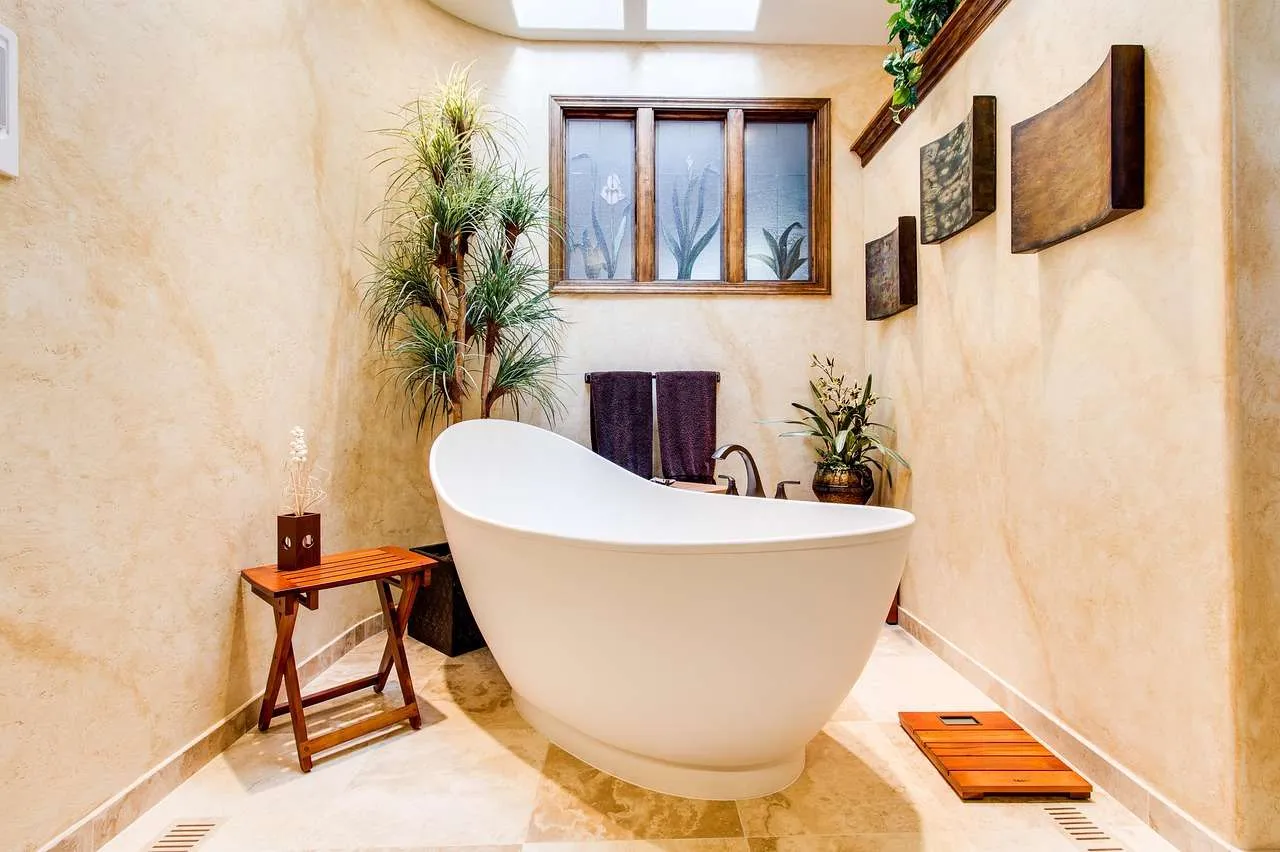
As a seasoned interior designer with over a decade of experience, I know that small bathroom ideas must focus on function as well as style. By combining thoughtful layout with compact fixtures and smart storage, any compact bathroom can feel larger and more welcoming.
Layout and space planning
Start with a precise floor plan that prioritizes a clear path from door to shower and toilet. Where possible, use a pocket door or a sliding door to reclaim floor area. Consider a corner sink and a wall-mounted toilet to free floor space, and leave at least 30 inches in front of fixtures for comfortable use. Vertical space is your ally; tall storage cabinets and wall shelves draw the eye upward, making the room feel bigger.
- Choose a slim, wall-mounted vanity to minimize footprint.
- Install a compact shower with a single glass panel to maintain openness.
- Use a pedestal or floating toilet if plumbing permits, to improve airflow.
Fixtures and storage solutions
In a small bath, functional fixtures have a big impact. A floating vanity with an integrated sink creates air underfoot, while a recessed medicine cabinet keeps toiletries out of sight. A corner shower with a clear glass door visually expands the space, and a frameless design reduces visual clutter. Add recessed niches in the shower and above the vanity to store essentials without bulky cabinets.
Color, lighting and mirrors
Light colors reflect more light and help the room feel airy. Use whites, creams, and pale neutrals as a base, and introduce color accents through accessories that can be swapped easily. Layer lighting: a bright ceiling light for general illumination, a task light near the mirror, and a soft wall wash to soften transitions. A large mirror or a pair of mirrors doubles the perceived space and bounces natural light, especially when positioned opposite a window or light source.
Materials and finishes for durability
Opt for moisture-resistant materials like porcelain tiles, quartz countertops, and high-density fiberboard with a sealed finish. Glass, ceramic, and natural stone accents work well, as long as they are sealed properly. Matte finishes on hardware hide fingerprints, while glass surfaces stay cleaner with regular wipe-downs. Choose anti-slip floor tiles and a shower tray with a low threshold for accessibility.
Budget-friendly upgrades and tips
Small bathroom ideas thrive on strategic investments. Prioritize fixtures that save space and require less maintenance, such as a wall-hung vanity, recessed lighting, and a frameless glass shower door. Shop for discount tiles during off-peak seasons, and consider a DIY tile accent wall to add character without breaking the bank. Plan your remodel in stages if needed, focusing first on essential improvements, then on aesthetic touches.
Comparison table of practical ideas
| Idea | Pros | Cons | Best For | Estimated Cost |
|---|---|---|---|---|
| Floating vanity with wall-mounted faucet | Frees floor space; makes cleaning easier | Complex plumbing; higher installation cost | Small bathrooms seeking open feel | Medium |
| Recessed shower niche | Smart storage; keeps bottles off shelves | Requires tile work | Shower area organization | Low to Medium |
| Clear glass shower door | Visual openness; reflects light | Shows water spots; needs cleaning | Bright bathrooms with natural light | Medium |
| Large mirror with integrated lighting | Expands space; improves task lighting | Can feel clinical if overused | All-day use and small spaces | Medium |
| Pocket or sliding door | Maximizes floor area | Installation can be costly | Very small or narrow layouts | High |
Conclusion
Summary: This approach shows that with careful layout, compact fixtures, smart storage, and a light, cohesive palette, a small bathroom can feel larger, be easier to maintain, and still look polished. Plan ahead, choose trusted products, and keep surfaces clean and uncluttered to maximize every inch.