Introduction: Why bathroom tile matters
Bathroom tile is more than a decorative feature; it is a durable barrier against moisture, a crucial factor in slip resistance, and a key component of the room’s overall style. A well-chosen tile plan can simplify maintenance, extend the life of surfaces, and help you achieve a timeless look. This guide provides practical, EEAT-informed guidance on selecting, laying out, and caring for bathroom tile that performs as well as it looks.
Choosing tile materials
Ceramic vs porcelain
Porcelain tiles are dense, less absorbent, and highly water resistant, making them ideal for floors and wet areas. Ceramic tiles are lighter and typically more affordable, well suited for walls and low-traffic zones. Consider the location, traffic level, and your budget when deciding between these two. Both can deliver excellent aesthetics, but porcelain usually offers greater longevity in bathrooms with high humidity or frequent use.
Natural stone
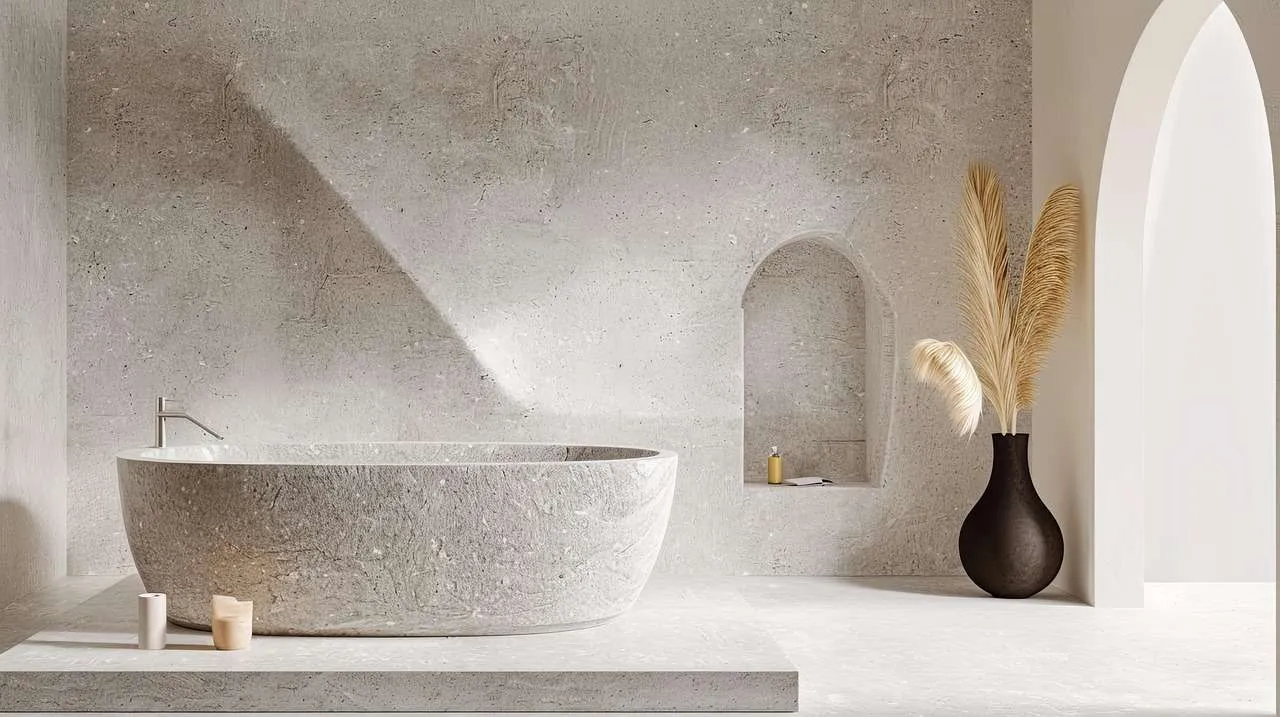
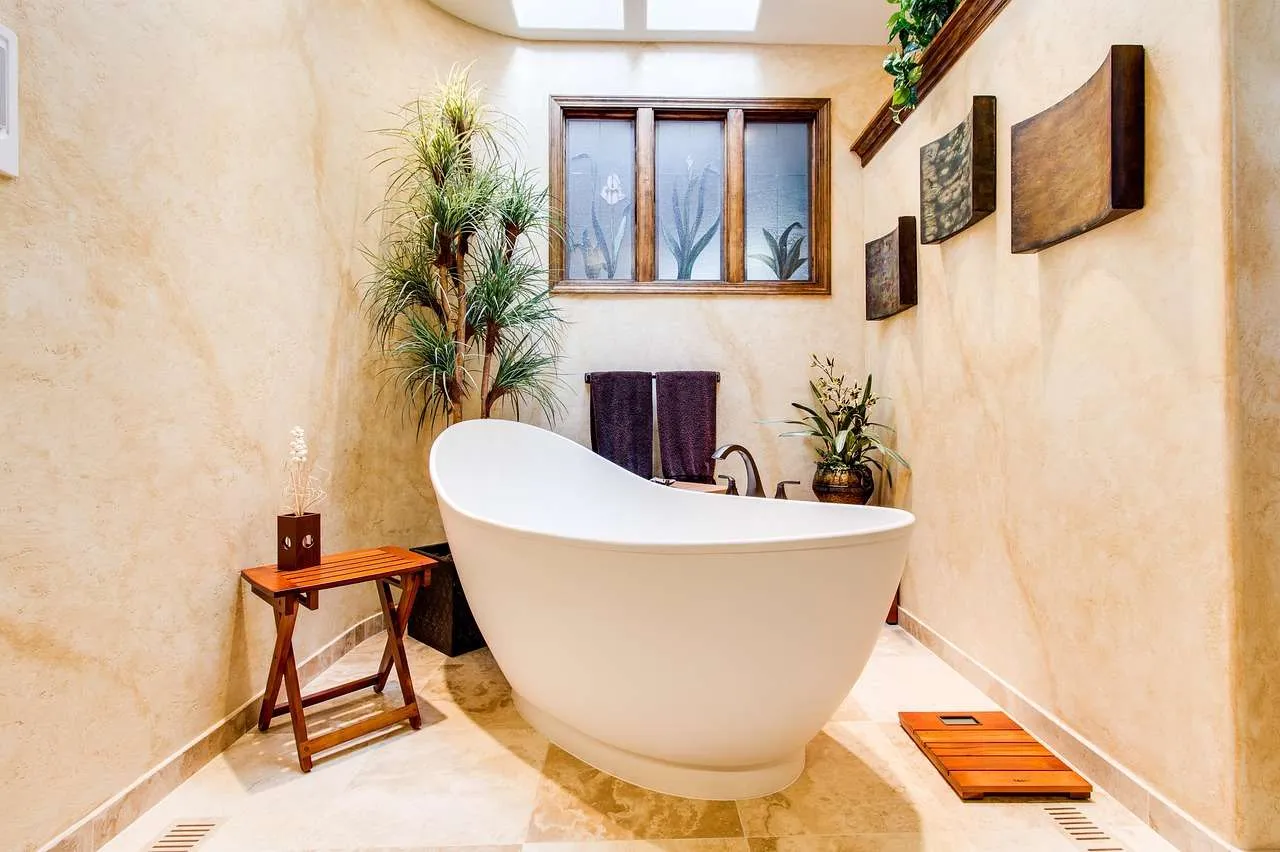
Natural stone such as marble, travertine, or slate brings rich texture and luxury. Stone requires sealing to resist staining and etching from cleaners or acidic substances, and maintenance can be higher than ceramic or porcelain. If you love a high-end look, plan for periodic sealing and careful cleaning to preserve color and finish.
Glass and mosaic
Glass tiles reflect light and create an airy feel, often used as backsplashes or accent walls. Mosaic sheets enable intricate patterns and unique borders but can be more fragile and expensive. When used in the shower niche or as a feature strip, glass tiles can elevate the design with minimal maintenance.
Size, layout, and pattern
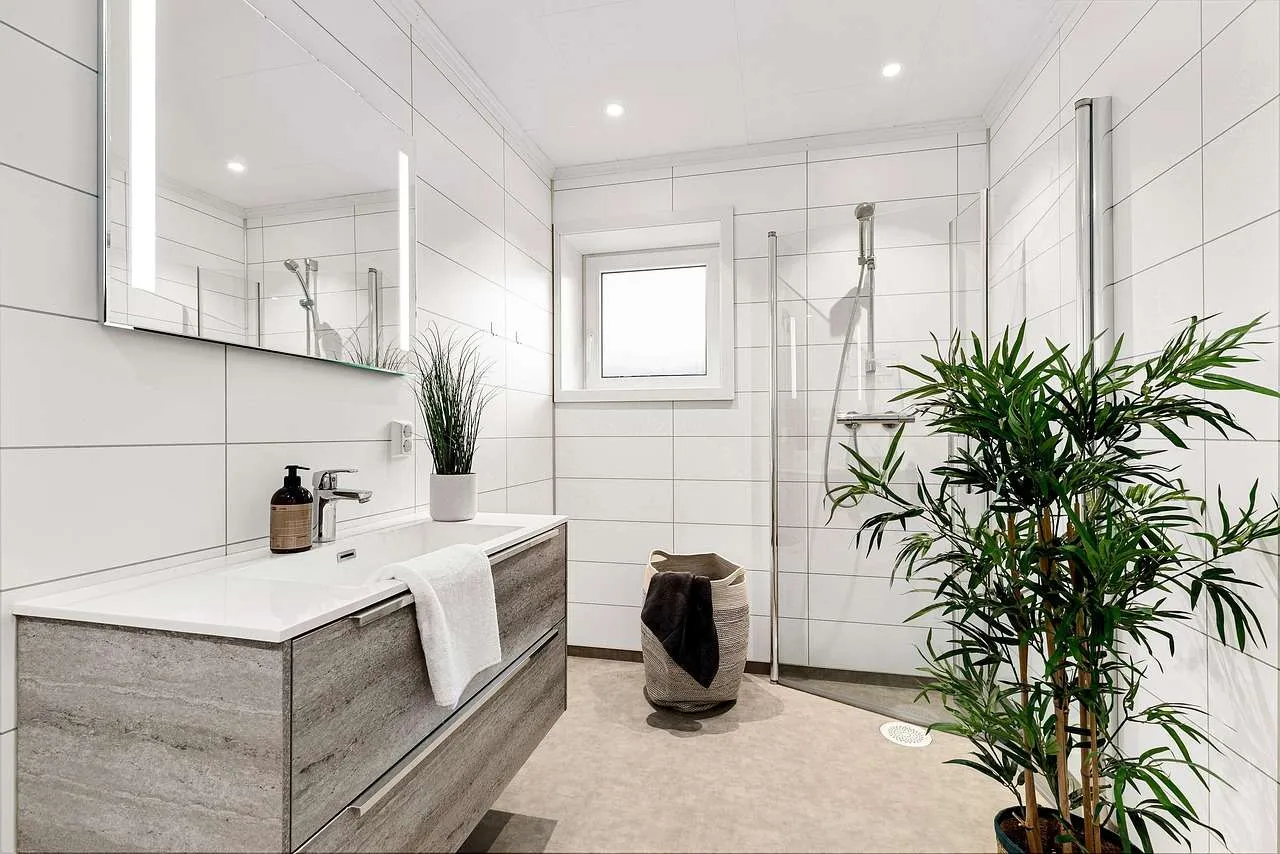
Tile size influences grout lines, perceived space, and maintenance. Large-format tiles (for example, 12x24 inches or larger) create fewer grout lines and a streamlined look, while small tiles enable classic patterns and detailed layouts but require more grout upkeep. Pattern choices such as herringbone, basketweave, or vertical stacks can dramatically change the bathroom’s character without changing materials.
Common tile sizes
Popular bathroom sizes include 4x4, 6x6, 12x24, and 24x48 inches. Subway-style tiles remain a timeless option for walls, while larger formats excel on floors and shower surrounds. For smaller bathrooms, larger tiles can visually expand the space, provided the substrate is perfectly flat and the space is properly prepared.
Color, tone, and style
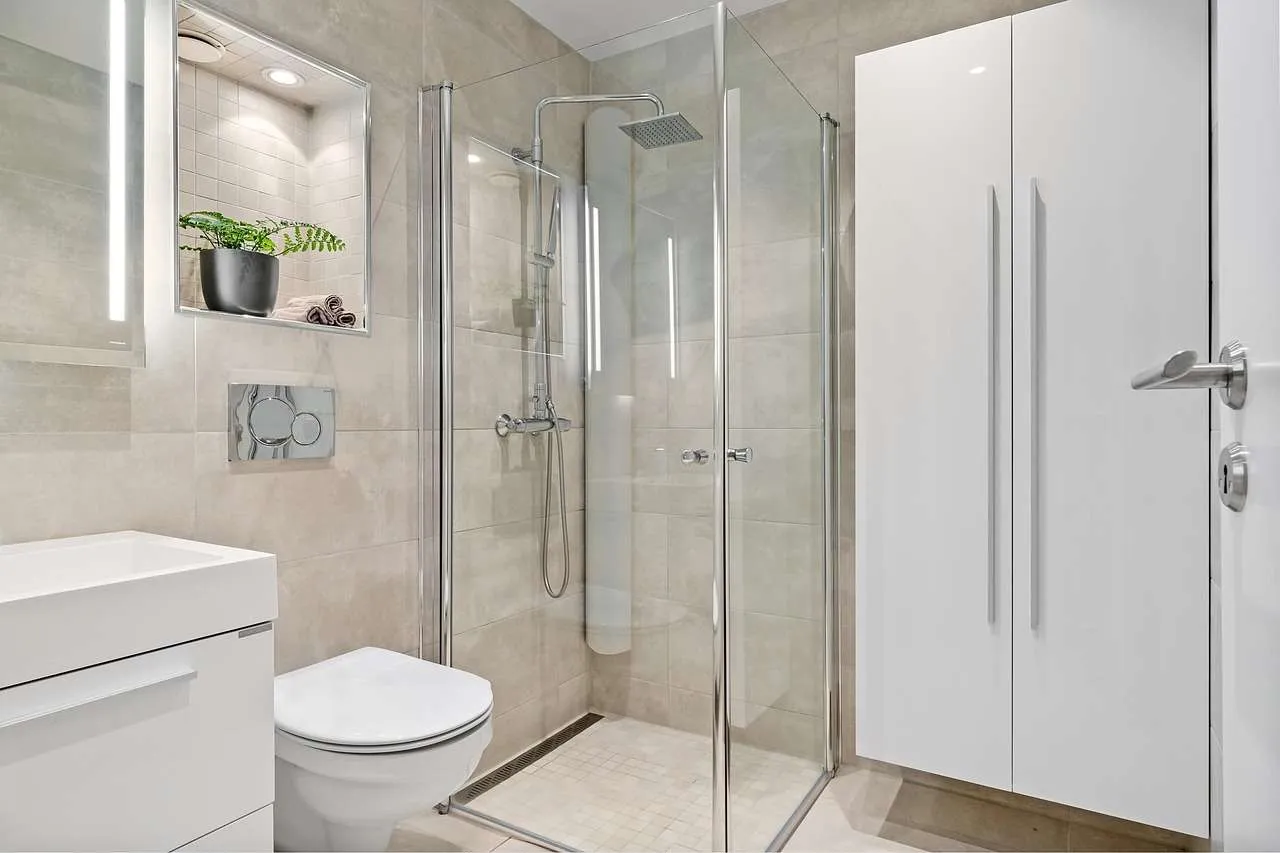
Neutral palettes—beige, gray, ivory—offer enduring appeal and pair with most fixtures and cabinetry. Bold colors or distinctive textures can define a space, but require careful coordination with lighting and other materials. Matte finishes reduce glare and show fewer water spots, while gloss finishes brighten a room but may reveal more smudges. Consider the overall lighting, cabinet tones, and hardware to achieve a cohesive look.
Installation and maintenance
Professional installation ensures proper waterproofing, substrate preparation, and correct tile spacing. For walls and backsplashes, a reliable setting mortar and proper bonding are essential. For natural stone, sealing is part of a regular maintenance routine to preserve color and stain resistance. Routine cleaning with pH-neutral cleaners and a soft cloth helps maintain appearance without damaging the finish.
Waterproofing and underlayment
Showers, tub surrounds, and wet room edges require a waterproof membrane behind both the tile and the substrate to prevent water intrusion. A reputable installer will verify sloping, drainage, and proper sealing at corners and penetrations to avoid hidden leaks.
Safety and performance
Floor tiles in bathrooms should be rated for wet areas and provide adequate slip resistance. Look for tiles with appropriate grade ratings and consult local building codes for requirements. Textured or matte finishes can reduce slipperiness, especially in shared-use bathrooms or households with children or elderly residents.
Quick comparison: tile types at a glance
| Tile Type | Durability | Maintenance | Cost | Best Uses |
|---|---|---|---|---|
| Ceramic | Medium | Low to moderate | Low | Walls, light-traffic floors |
| Porcelain | High | Low | Medium | Floors, showers |
| Natural Stone | Variable | High | High | Showers, feature walls |
| Glass | Medium | Low | High |
Maintenance checklist and best practices
Establish a simple routine: wipe the tile and grout periodically to prevent soap scum buildup; clean with a non-acidic, non-abrasive cleaner; reseal natural stone according to the manufacturer’s recommendations; and address grout discoloration promptly to avoid long-term staining. Regular inspection of grout lines helps identify moisture intrusion early, protecting the overall integrity of the installation.
Design trends and timeless tips
Timeless tile choices include subway and large-format porcelain for walls and floors. For a contemporary look, combine large neutral tiles with a bold accent strip or a darker grout line to accentuate pattern and depth. If you’re renovating a small bathroom, consider lighter colors, larger tiles, and shorter grout lines to create a sense of space and cleanliness.
Conclusion
Selecting bathroom tile involves balancing material performance, maintenance, and style. By understanding the differences between ceramic, porcelain, natural stone, and glass, you can plan a layout that minimizes upkeep while maximizing durability and aesthetic impact. Work with qualified professionals for waterproofing, proper installation, and long-term care to ensure your investment pays off for years to come.
Summary: Choosing bathroom tile balances durability, maintenance, and style. By understanding materials, sizes, and layouts, you can create a bathroom that looks great, handles moisture, and stays beautiful for years.